PA Supreme Court Holds Skill Game Devices Subject to Gaming Act and Crimes Code – Decision Stayed 120 Days
In a decision issued on June 15, 2026, the Pennsylvania Supreme Court held that “skill games” are subject to both Pennsylvania’s Gaming Act and Crimes Code.
As a result, the unregulated operation of these devices in unlicensed facilities is now a crime.
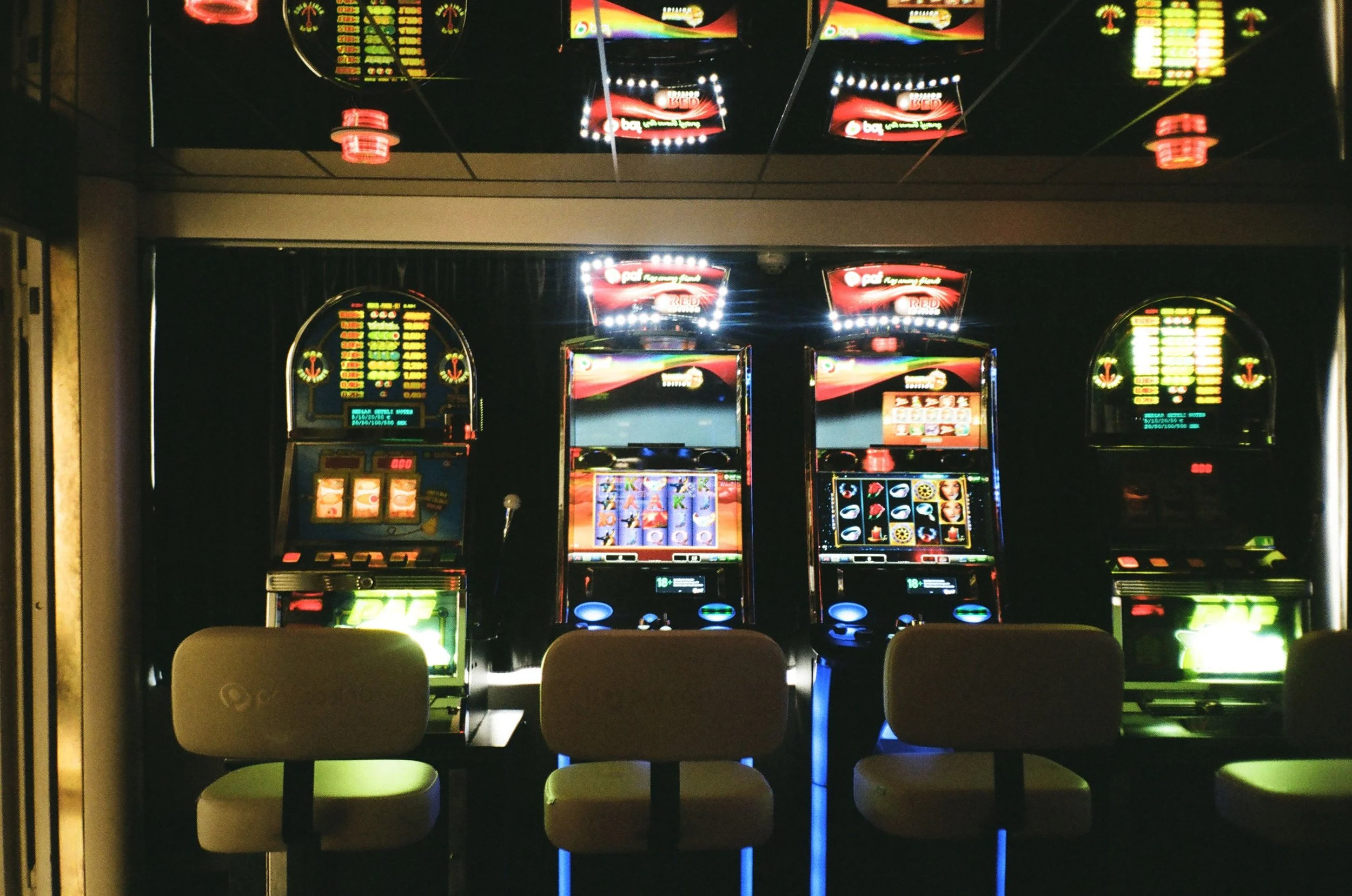
The Supreme Court’s decision reversed two prior orders of the Commonwealth Court that held that the unlicensed operation of these devices did not violate Pennsylvania law. As a result of those two prior orders (as well as a 2014 Beaver County Court of Common Pleas decision), the existence of skill games exploded in Pennsylvania, which the Supreme Court noted can be found in “taverns, restaurants, . . . social clubs . . .mini-marts, gas stations, grocery stores, laundromats, pizza parlors, and various other establishments throughout Pennsylvania.” Realizing the impact of its decision, the Supreme Court announced that its decision will be stayed for 120 days. During this time, law enforcement cannot take any action against owners or operators of illegal skill game devices. The Supreme Court also put the onus on Pennsylvania’s legislature, to address the fallout from the decision: “Naturally, because all that follows is a consequence of statutory law, our General Assembly also remains free at any time to take whatever legislative action it may deem appropriate.”
In reaching its decision, the Supreme Court explained that Pennsylvania’s Gaming Act makes “slot machine” gaming lawful under Pennsylvania’s Crime Code to the extent that it is lawful under the Gaming Act. Under the Gaming Act, the General Assembly has intended to strictly control “limited gaming” through a licensing and regulatory scheme.
With respect to skill game devices, the Supreme Court held that they are unquestionably slot machines that are subject to regulation, including licensing. In reaching this conclusion, the Supreme Court shot down prior arguments that the element of “skill” excludes these devices from regulation under the Gaming Act: “[I]t is irrelevant whether the outcome of a game is determined by skill, chance, or any combination thereof.” The Supreme Court highlighted that this has been the case since the Gaming Act was passed in 2004 and included in its definition of “slot machine” any devices that offer a payout “whether by reason of skill or application of the element of chance or both.” Accordingly, the Supreme Court concluded that a “slot machine” under Section 5513(a)(1) of the Crimes Code is the same as a “slot machine” as defined in the Gaming Act, and these two statutes work together. Stated differently, skill game devices are slot machines under Pennsylvania law, and they are only lawful to the extent they are owned and/or operated in accordance with Pennsylvania’s Gaming Act.
Diviney & Wilt is ready to assist business owners and operators of skill game devices with any questions regarding the Supreme Court’s decision and the 120-day stay that’s in place. Please contact our office if you have any questions or would like to schedule a consultation.
Written by Ethan V. Wilt, Esq. on June 28, 2026.